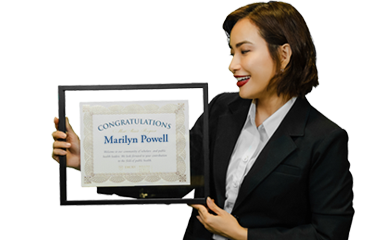

A certificate is often the final step in recognizing an important achievement. Whether it is presented at a graduation ceremony, a professional event, an employee recognition program, or a community initiative, the certificate represents time, effort, and accomplishment for the recipient.
For organizations that issue hundreds or thousands of certificates each year, the process behind creating those materials matters. Choosing the right supplier, planning ahead, and understanding customization options can help create a smoother experience while ensuring every recipient receives a quality product. The decisions made early in that process — around branding, order size, and lead time — tend to have the biggest impact on the final result.
Standard Certificate Holders vs. Custom Certificate Holders
Organizations often begin by deciding whether they need a standard certificate product or something created specifically for their program.
Standard certificate holders and folders are designed to provide a professional solution for common needs. They are available in popular sizes and styles, making them a practical option for organizations that need reliable products quickly.
Custom certificate holders offer more flexibility. Schools, universities, corporations, and associations may want their materials to include specific branding elements such as logos, colours, crests, foil stamping, or other unique designs.
The choice often depends on the size of the program, the organization’s goals, and how closely the materials need to match existing branding.
Why Customization Takes Planning
Custom certificate holders involve more than simply choosing a colour or adding a logo. The process requires attention to detail to ensure the final product meets expectations.
Artwork preparation, material selection, production timelines, and approvals all play a role in creating a successful custom order.
For organizations planning major events, starting early provides more opportunities to review options and make adjustments. This is especially important for large ceremonies where hundreds or thousands of recipients will receive the same item.
A well-planned custom order allows organizations to create something unique without adding unnecessary stress close to an event date.
Order size and organization type both shape how much lead time you'll realistically need. A small business ordering 50 custom holders for an employee recognition program can often move through the process more quickly than a university coordinating 2,000 pieces across multiple departments with institutional approval requirements.
As a general guide: smaller orders in the 50–200 range typically allow for a smoother, faster turnaround; mid-size orders of 200–500 pieces benefit from at least a few extra weeks to accommodate proofing rounds and material confirmations; and large-scale orders of 500 or more — especially for annual convocations or government programs — are best started three to four months out. The earlier artwork and branding details are finalized, the more flexibility there is to make changes before production begins.
Preparing for Graduation and High-Volume Events
Convocations require careful coordination, from certificates and diplomas to covers and related materials.
With large numbers of people receiving documents within a short period, organizations need products that are dependable and easy to manage, and a fulfillment process that accounts for more than just production.
Certificate holders designed for large ceremonies help streamline the process by keeping documents protected and organized before they are distributed. For organizations managing multiple faculties or departments, holders can be pre-sorted by program to reduce day-of handling and make distribution faster and less error-prone.
Working with a supplier, like St James Paper Company, who are experienced in large-volume orders means having access to proofing checkpoints, batch quality reviews, and a clear point of contact throughout, so issues are caught well before anything reaches a stage or a graduate's hands.
The earlier key details are confirmed — quantities, branding, delivery location, and any other specific requirements — the more room there is to handle the unexpected without it becoming a problem.
Why Custom Branding Creates Stronger Connections
A certificate is also an opportunity for an organization to reinforce its identity, and the holder it arrives in is part of that impression.
Physical recognition carries weight that digital acknowledgment doesn't. A framed certificate or a branded holder displayed on a shelf is a lasting reminder of the moment and the organization behind it. The branding on that product is seen again and again, long after the event itself.
Custom designs that incorporate an organization's colours, logo, or official marks connect the award to something larger than the moment. The recipient walks away with a tangible link to the institution, company, or program that recognized them — and the quality of the materials is part of what that recognition communicates.
For any organization that invests in recognition programs, custom certificate holders reinforce that the gesture was intentional. If you're ready to explore what that looks like for your program, the customization process is a good place to start.
Choosing a Supplier for Long-Term Needs
Organizations that recognize achievements on a recurring basis benefit from working with a supplier that treats each order as part of an ongoing relationship rather than a one-time transaction.
Over time, a supplier familiar with an organization's branding, preferred materials, and order patterns can flag potential issues before they become problems — whether that's a lead time concern ahead of a busy season or a material change that could affect consistency from one year to the next. With more than 40 years in the industry, St. James has worked with schools, associations, and organizations across Canada that return year after year precisely because that kind of continuity matters.
Building that continuity also reduces the administrative overhead of repeat orders. Artwork files, approved proofs, and product specifications are already on file, which means less back-and-forth and fewer opportunities for something to slip through the cracks.
For organizations that run annual or ongoing recognition programs, that kind of working relationship is worth establishing early — before a tight deadline makes the learning curve costly. Getting in touch early gives St. James time to understand your program before the pressure is on.